
Greta Gerwig's Narnia: The Magician's Nephew is heading for cinemas in February 2027, and a new generation is about to fall through the wardrobe. But C. S. Lewis did not invent the doorway into another world. He grew up reading it, in books by a Scottish minister and a London children's writer who are now almost forgotten. All of their books are free here.
George MacDonald: "my master"
In 1916, a seventeen-year-old Lewis bought a secondhand copy of Phantastes at a railway station bookstall. He wrote years later, in Surprised by Joy, that the book "baptised" his imagination. He called George MacDonald his master, and in The Great Divorce he made MacDonald his guide through the afterlife.
MacDonald (1824–1905) was a Scottish preacher who was pushed out of his church for his generous theology and turned to writing. His fantasies are strange, dreamlike and full of grace, and they shaped not just Lewis but also Tolkien, G. K. Chesterton and, through them, most of modern fantasy.
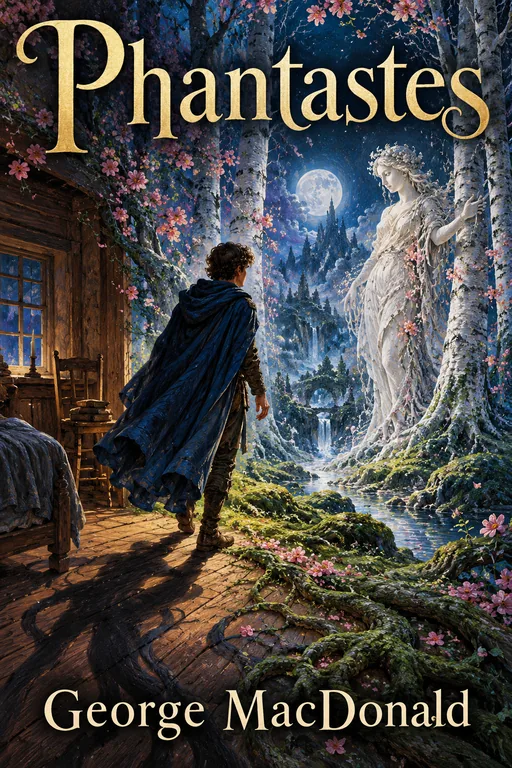
Phantastes (1858): the bedroom that becomes a forest
A young man named Anodos, just turned twenty-one, wakes to find the world dissolving into Fairy Land:
I saw that a large green marble basin, in which I was wont to wash, and which stood on a low pedestal of the same material in a corner of my room, was overflowing like a spring; and that a stream of clear water was running over the carpet, all the length of the room.
The carpet turns to grass, the furniture to trees, and he walks out into a wood full of tree spirits, an alder-maiden, a fairy palace and a shadow that will not leave him. A night before, a tiny woman had promised him: "You shall find the way into Fairy Land to-morrow."
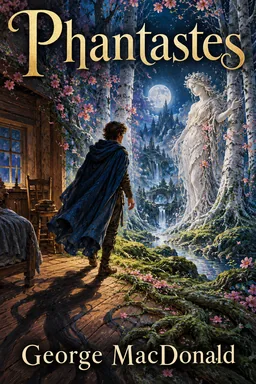
The book that "baptised" Lewis's imagination. Free to read and with a free audiobook.
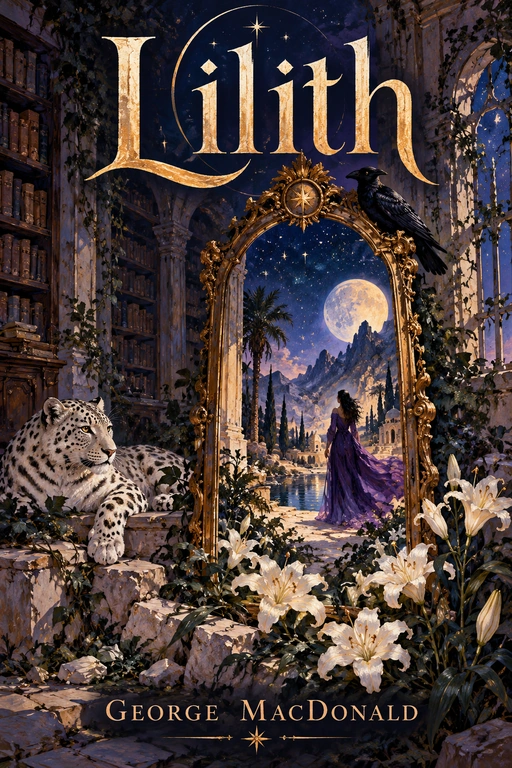
Lilith (1895): the mirror in the attic
MacDonald's last great fantasy reads like a darker Narnia. Mr. Vane, alone in an old house, keeps glimpsing the ghost of a former librarian, Mr. Raven. Then, in a garret, he finds an old mirror:
I had been looking at rather than into the mirror, when suddenly I became aware that it reflected neither the chamber nor my own person.
He steps through into a world of sleeping dead, giant skeletons and Lilith herself, Adam's legendary first wife. It is a wardrobe, half a century early, leading into something much more frightening. (For who Lilith was, see our post on the legend.)
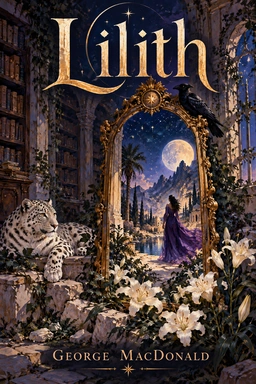
George MacDonald · 1895
MacDonald's last and darkest fantasy, with a free audiobook.


E. Nesbit: the queen loose in London
The Magician's Nephew owes a second, open debt. Its very first page mentions the time "when Mr Sherlock Holmes was still living in Baker Street and the Bastables were looking for treasure in the Lewisham Road." The Bastables are the children of E. Nesbit's The Story of the Treasure Seekers, and Lewis loved her books all his life.
Nesbit's The Story of the Amulet (1906) has four children, a magic charm and travel through time to ancient Egypt, Babylon and Atlantis. And it has a chapter called "The Queen in London," in which an ancient queen comes back with the children:
And now from the window of a four-wheeled cab the Queen of Babylon beheld the wonders of London.
If you know The Magician's Nephew, you will remember Jadis, the queen of a dead world, rampaging through Victorian London on top of a hansom cab. Lewis knew exactly where he got her.
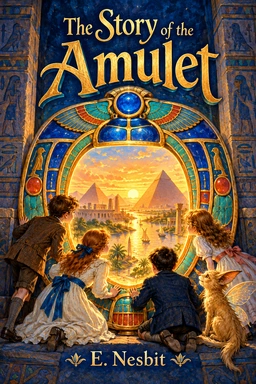
E. Nesbit · 1906
Time travel, a talking Psammead and a queen loose in Edwardian London. A direct ancestor of The Magician's Nephew.


More of the roots of Narnia
Lewis was a scholar of medieval literature, and Narnia is full of it: talking beasts from the fables, the dryads and fauns of classical myth, Father Christmas from English folk custom. For the old myths behind his fauns, centaurs and river gods, there is no better door than Ovid. For how Lewis's friend Tolkien's world grew from Norse myth, see the old Eddas.


Questions people ask
- What books inspired C. S. Lewis to write Narnia?
- Above all George MacDonald's fantasies, especially Phantastes (1858) and Lilith (1895), and E. Nesbit's children's books, especially The Story of the Amulet (1906), which has an ancient queen loose in London much like Jadis in The Magician's Nephew.
- When is the new Narnia movie coming out?
- Greta Gerwig's Narnia: The Magician's Nephew is scheduled for a wide theatrical release in February 2027, before it arrives on Netflix.
- Who was George MacDonald?
- A Scottish minister and novelist (1824–1905) whose fantasies influenced C. S. Lewis, J. R. R. Tolkien and G. K. Chesterton. Lewis called him his master.
- Can I read Phantastes for free?
- Yes. It is in the public domain and free to read here, with an audiobook.
Every book in this post
Free to read online, download, or send to your Kindle.
Phantastes
Lilith
George MacDonald · 1895
The Princess and the Goblin
George MacDonald · 1872
At the Back of the North Wind
George MacDonald · 1871
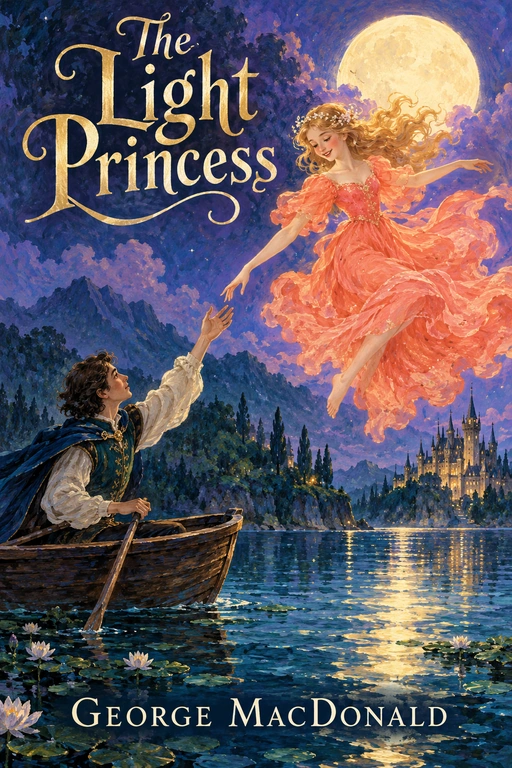
The Light Princess
George MacDonald · 1864
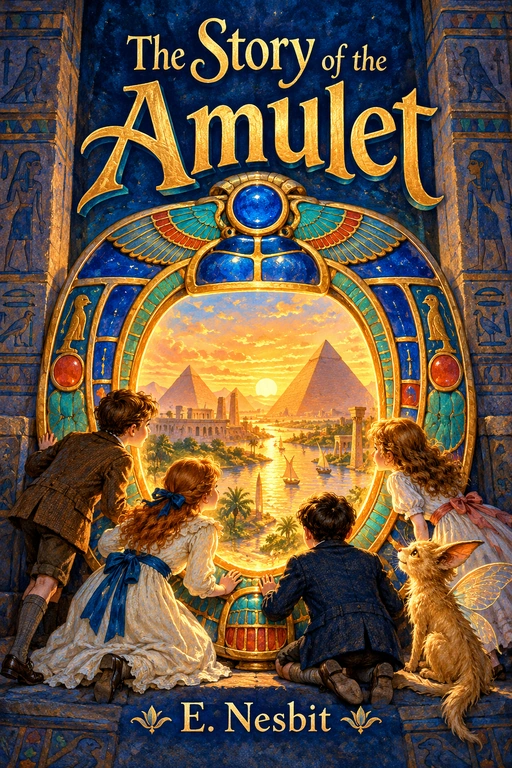
The Story of the Amulet
E. Nesbit · 1906
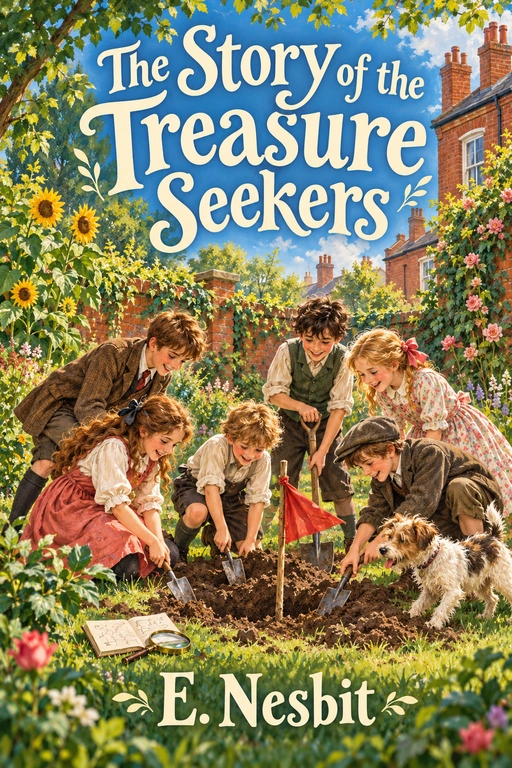
The Story of the Treasure Seekers
E. Nesbit · 1899
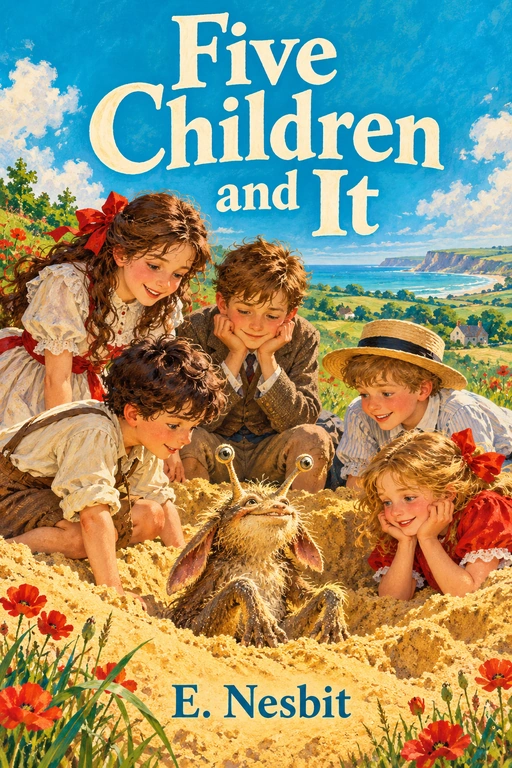
Five Children and It
E. Nesbit · 1902
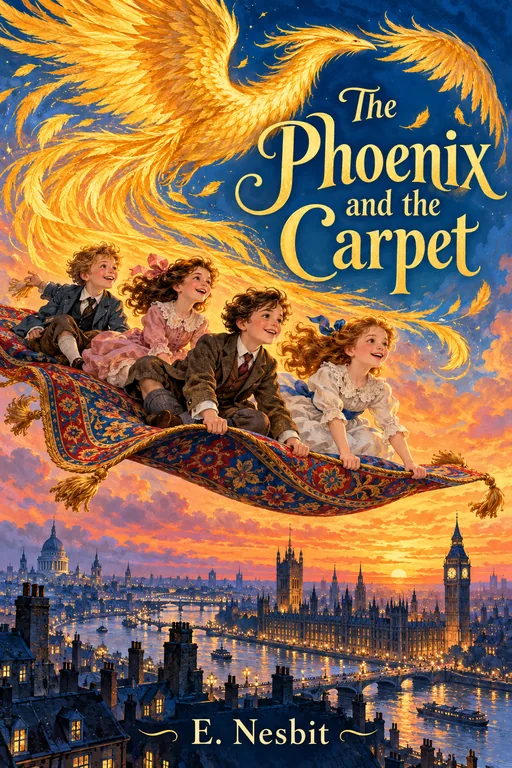
The Phoenix and the Carpet
E. Nesbit · 1904
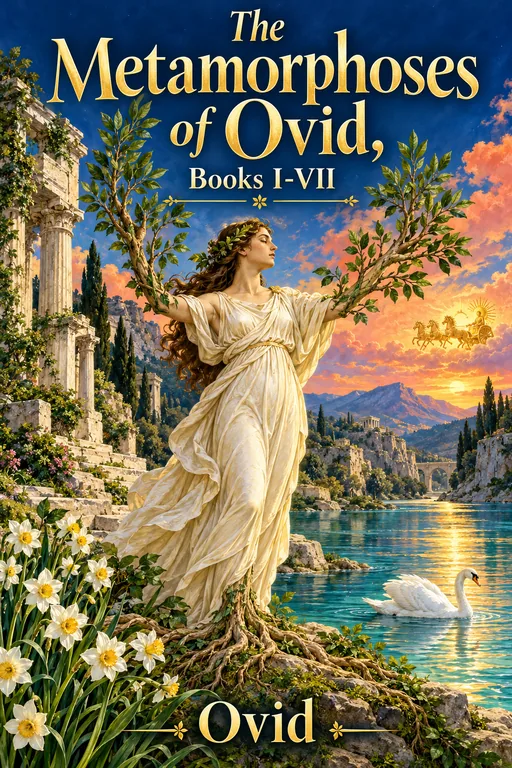
The Metamorphoses of Ovid, Books I-VII
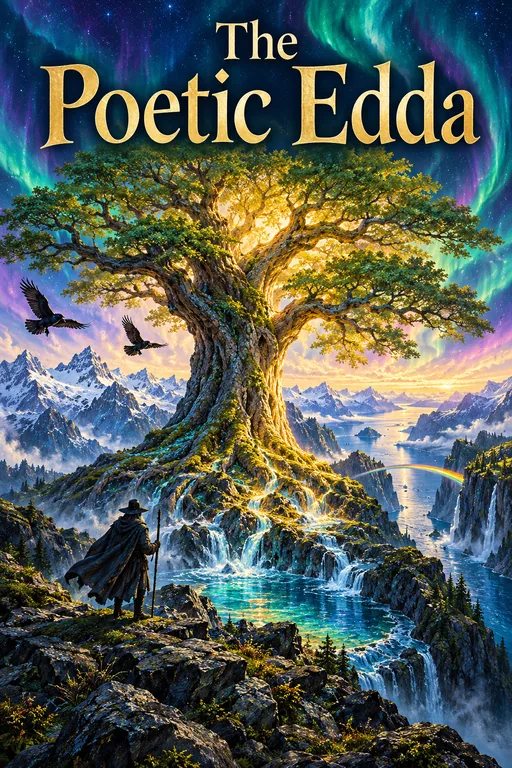
The Poetic Edda
Saemund · 1923
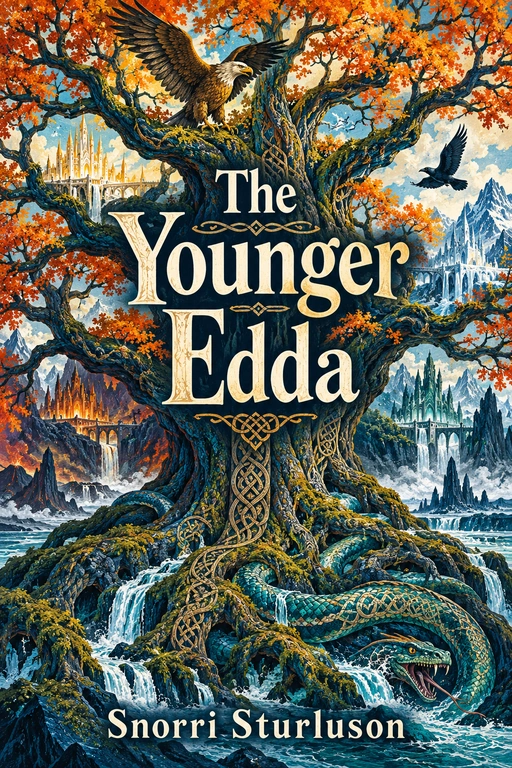
The Younger Edda
Snorri Sturluson · 1225


Keep reading
Lost books of the Bible
Lilith, the first wife of Adam: where the legend really comes from
She is not in Genesis, yet she is everywhere: tattoos, tarot, TV. Here is the real history of Lilith, from a Babylonian night demon to the medieval tale of Adam's rebellious first wife.
Myth and folklore
The pagan roots of Christmas: Saturnalia, Yule, Krampus and the birthday of the Sun
Why December 25? Where do the Yule log, mistletoe and Krampus come from? The real answers from the old books: a Syrian Christian writer, Frazer's Golden Bough, and a 1916 history of St. Nicholas.
Before it was famous
The real books behind Dune: Lawrence of Arabia, Erewhon and the Butlerian Jihad
Before Dune: Part Three arrives, meet the old books Frank Herbert drew on: Lawrence's desert revolt, the 1872 novel where people smash their machines, and the Hebrew and Arabic words in Arrakis.