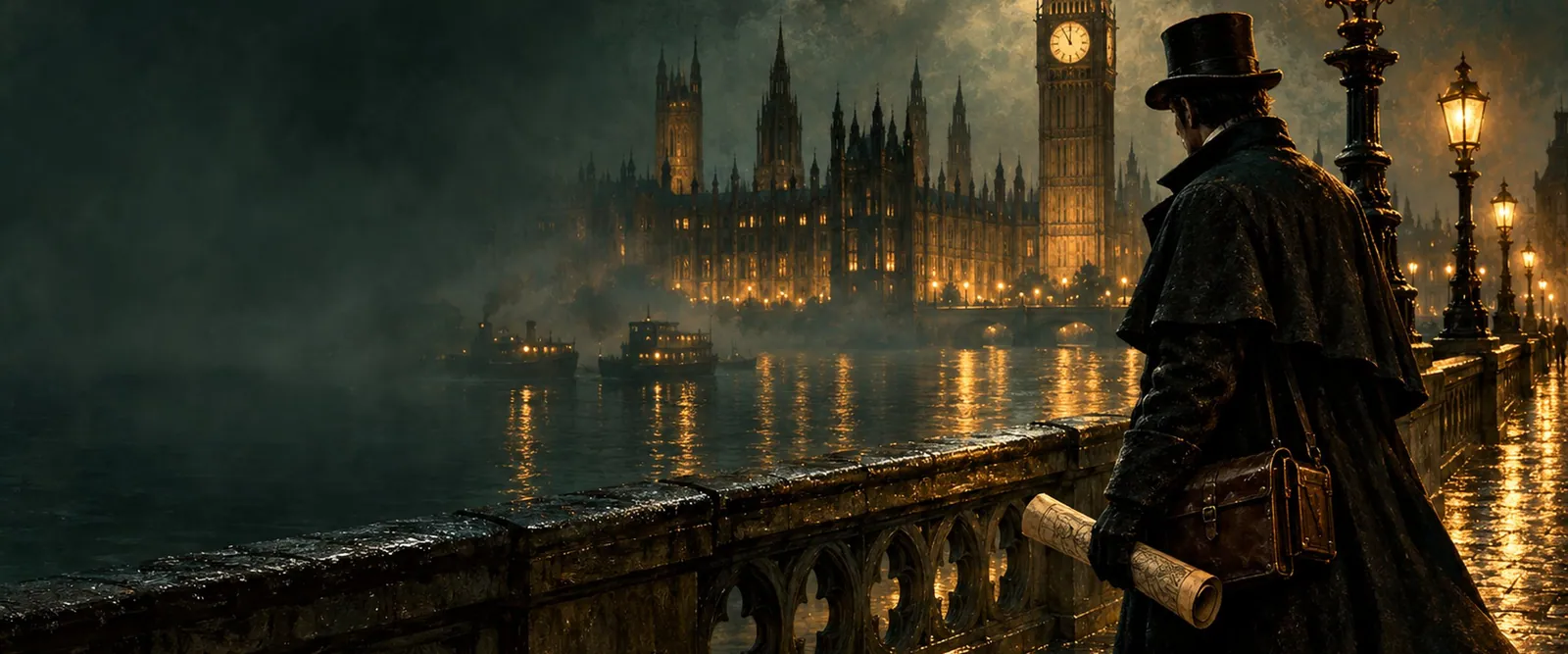
This bitterly cold day actually made the landlady of the Hotel de Perou, though she was a hard, grasping woman of Auvergne, give a thought to the condition of her lodgers, and one quite different from her usual idea of obtaining the maximum of rent for the minimum of accommodation.
“The cold,” remarked she to her husband, who was busily engaged in replenishing the stove with fuel, “is enough to frighten the wits out of a Polar bear. In this kind of weather I always feel very anxious, for it was during a winter like this that one of our lodgers hung himself, a trick which cost us fifty francs, in good, honest money, besides giving us a bad name in the neighborhood. The fact is, one never knows what lodgers are capable of doing. You should go up to the top floor, and see how they are getting on there.”
“Pooh, pooh!” replied her husband, M. Loupins; “they will do well enough.”
“Is that really your opinion?”
“I know that I am right. Daddy Tantaine went out as soon as it was light, and a short time afterward Paul Violaine came down. There is no one upstairs now but little Rose, and I expect that she has been wise enough to stick to her bed.”
“Ah!” answered the landlady rather spitefully. “I have made up my mind regarding that young lady some time ago; she is a sight too pretty for this house, and so I tell you.”
The Hotel de Perou stands in the Rue de la Hachette, not twenty steps from the Place de Petit Pont; and no more cruelly sarcastic title could ever have been conferred on a building. The extreme shabbiness of the exterior of the house, the narrow, muddy street in which it stood, the dingy windows covered with mud, and repaired with every variety of patch,—all seemed to cry out to the passers by: “This is the chosen abode of misery and destitution.”