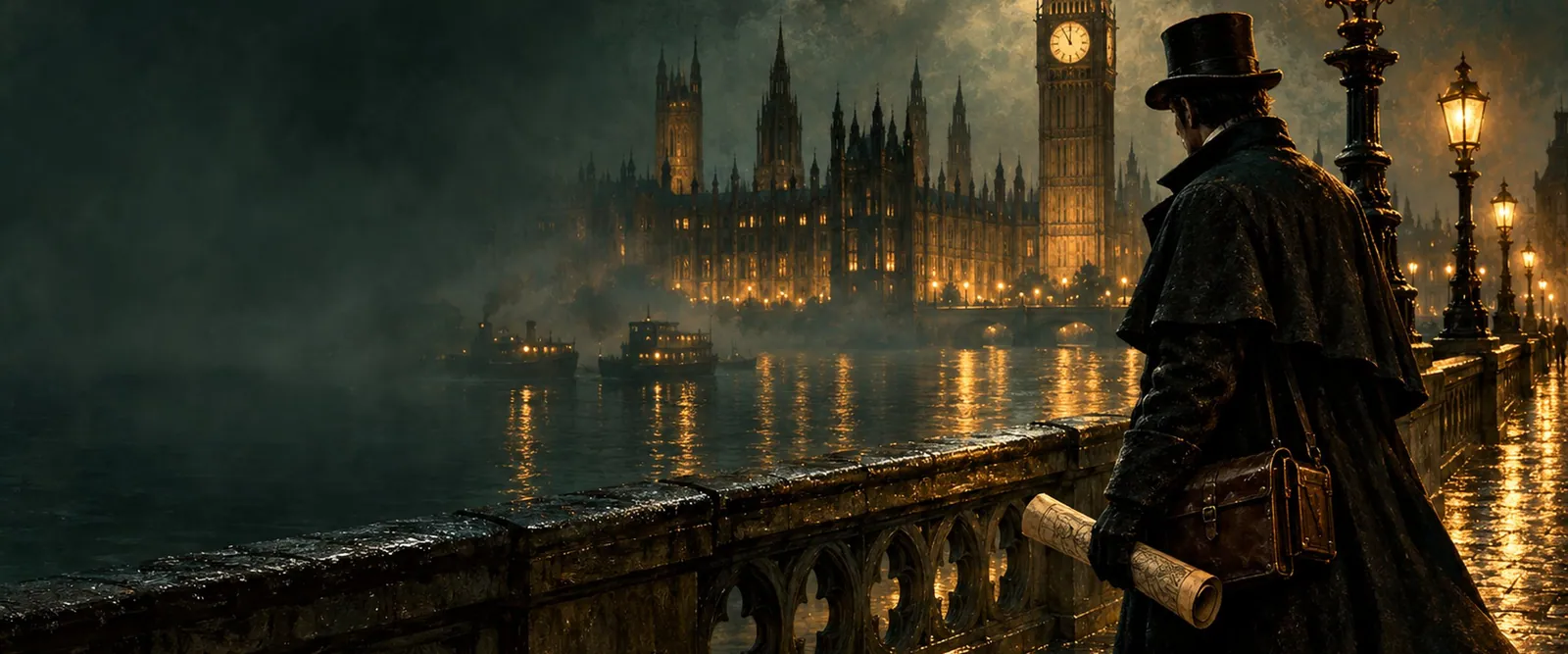
Hurrying to the fireplace, the Marquise de Langrune took a large log from a basket and flung it on to the glowing embers on the hearth; the log crackled and shed a brilliant light over the whole room; the guests of the Marquise instinctively drew near to the fire.
During the ten consecutive months she spent every year at her château of Beaulieu, on the outskirts of Corrèze, that picturesque district bounded by the Dordogne, it had been the immemorial custom of the Marquise de Langrune to entertain a few of her personal friends in the neighbourhood to dinner every Wednesday, thereby obtaining a little pleasant relief from her loneliness and keeping up some contact with the world.
On this particular winter evening the good lady's guests included several habitués: President Bonnet, a retired magistrate who had withdrawn to his small property at Saint-Jaury, in the suburbs of Brives, and the Abbé Sicot, who was the parish priest. A more occasional friend was also there, the Baronne de Vibray, a young and wealthy widow, a typical woman of the world who spent the greater part of her life either in motoring, or in the most exclusive drawing-rooms of Paris, or at the most fashionable watering-places. But when the Baronne de Vibray put herself out to grass, as she racily phrased it, and spent a few weeks at Querelles, her estate close to the château of Beaulieu, nothing pleased her better than to take her place again in the delightful company of the Marquise de Langrune and her friends.
Finally, youth was represented by Charles Rambert, who had arrived at the château a couple of days before, a charming lad of about eighteen who was treated with warm affection by the Marquise and by Thérèse Auvernois, the granddaughter of the Marquise, with whom since her parents' death she had lived as a daughter.